resume service India's premier resume service

Help & Support

Cover Letter Templates

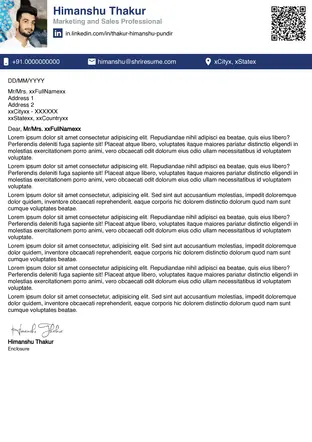
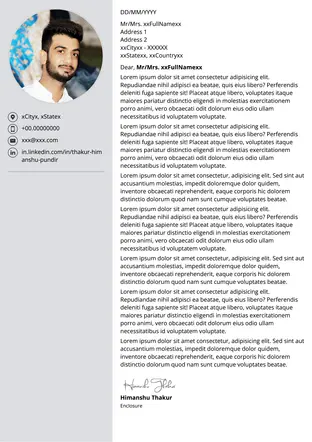
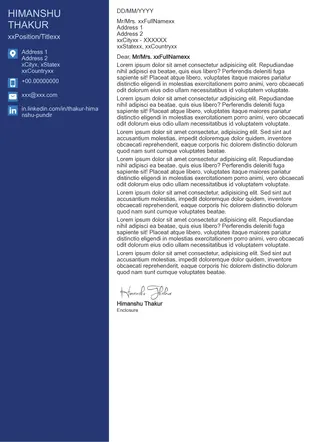
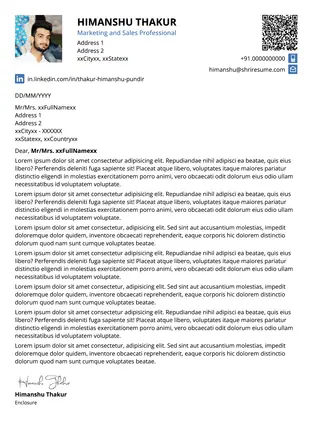
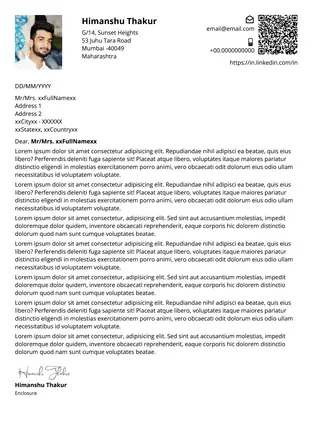
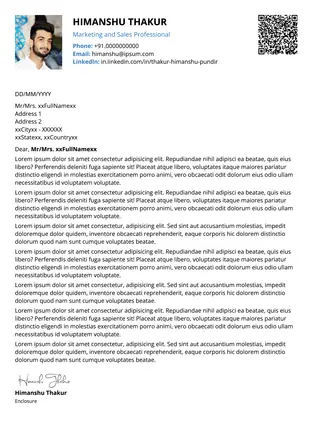
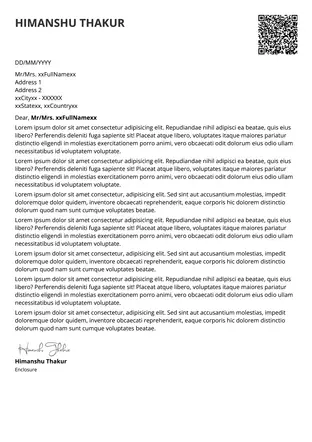
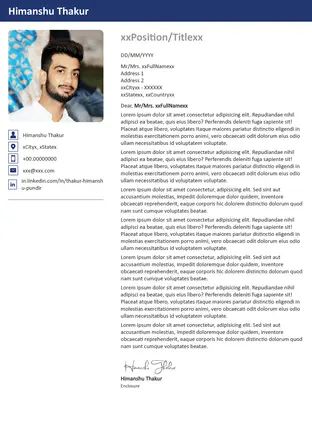
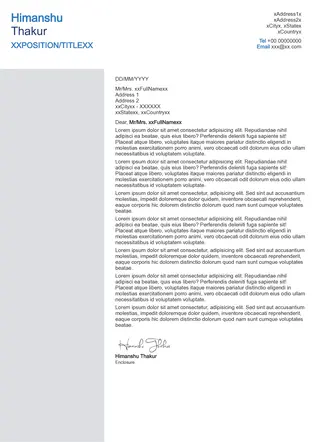
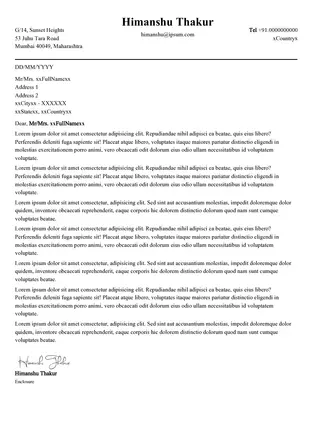
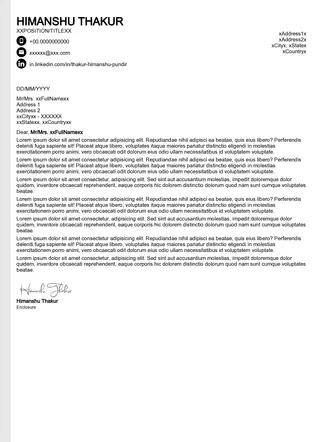
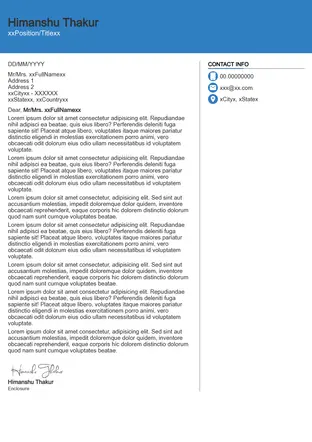
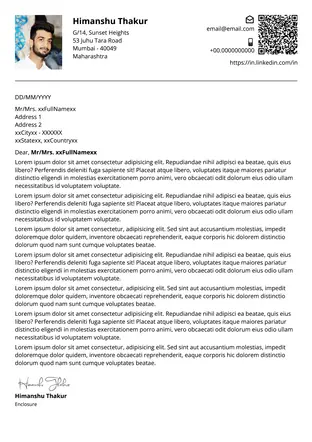
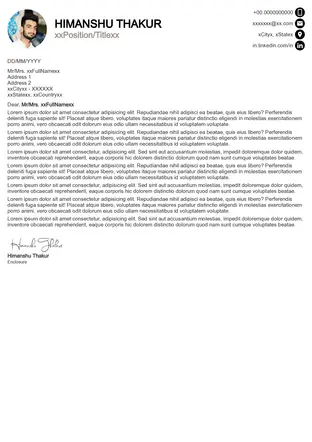
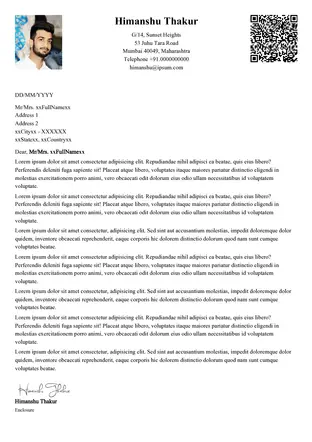
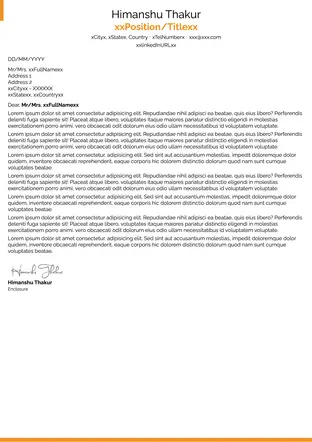
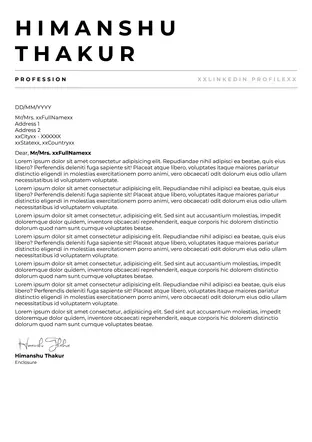
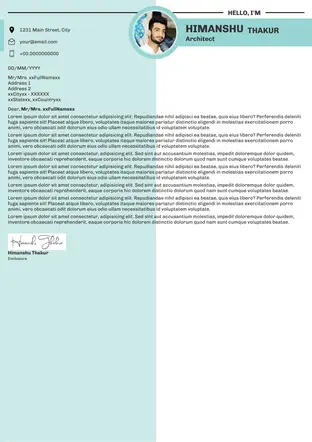
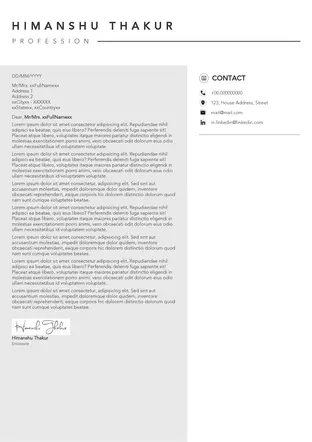
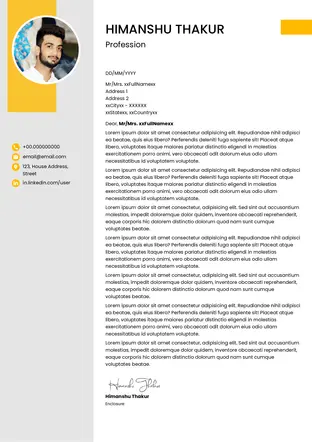
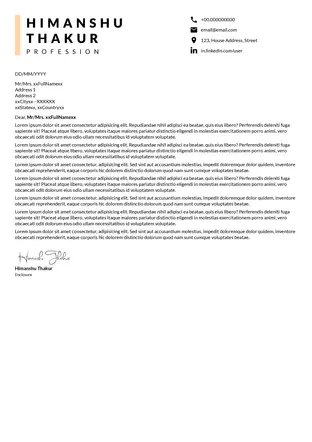
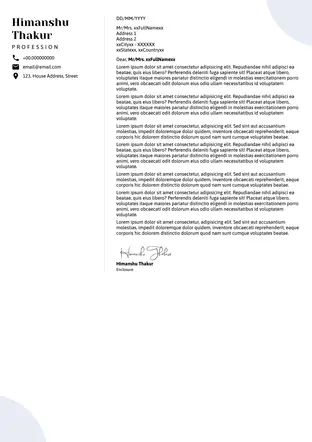
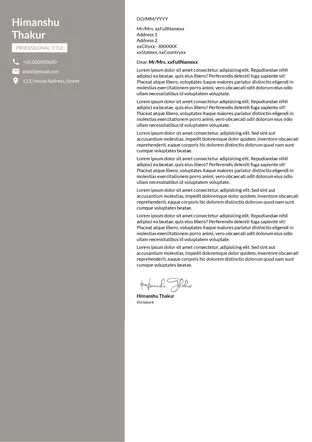
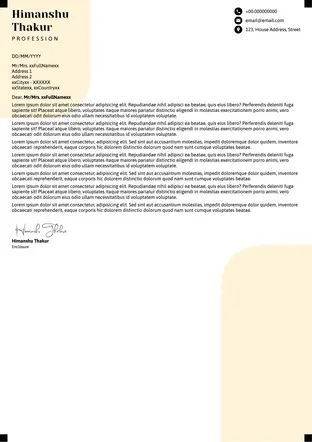
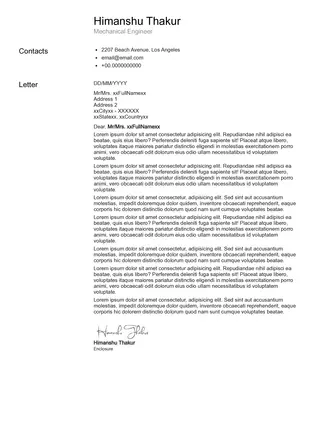
Shri says add a professional matching cover Letter to your resume.

Direct and Certain
  • doc
  • pdf
Creative Dance
  • doc
  • pdf
Smart and Secure
  • doc
  • pdf
Smart and Balanced
  • doc
  • pdf
Lean and Cool
  • doc
  • pdf
Crack of Down
  • doc
  • pdf
Modern and Contemporary
  • doc
  • pdf
The Seeker
  • doc
  • pdf
Bold Confidence
  • doc
  • pdf
Confidence and Strength
  • doc
  • pdf
Classical Pedigree
  • doc
  • pdf
Forward and Sensible
  • doc
  • pdf
Calm Eloquence
  • doc
  • pdf
Corporate
  • doc
  • pdf
Essential Timeline
  • doc
  • pdf
Traditional Light
  • doc
  • pdf
Nip and Tuck
  • doc
  • pdf
Fusion
  • doc
  • pdf
Pole Star
  • doc
  • pdf
Gravitas
  • doc
  • pdf
Carrie
  • doc
  • pdf
Conviction
  • doc
  • pdf
Planetoid
  • doc
  • pdf
Decorous
  • doc
  • pdf
Twilight
  • doc
  • pdf
Cascade
  • doc
  • pdf
line

Why You Need a Cover Letter?

Applying for a Job Without a Cover Letter Can be Risky These Days: Know How!

Given the tough competition in today’s job market, applying for a job with a mere resume can be risky! This is because your resume alone would probably not help you secure your dream job interview. Apparently, you need to go the extra mile to get noticed by hiring managers, especially when you know that the recruiter would receive at least over 100 applications for the very same job opening that you have applied for.

So, how to make a difference? How to compel recruiters out there to read your resume as soon as they see your application? Here, a cover letter comes to your rescue. An impressive cover letter not only helps you make a quick first impression but ups the possibility of your resume to be read by hiring managers. This necessarily improves your odds of being called for a job interview.

Whether it is about showcasing your exceptional communication skills or following up the recruiter, a cover letter is sure to fortify your candidacy for your dream job. Let’s discuss why these days you can’t afford sending across your job application and resume without a cover letter.

It Concisely Tells the Recruiter Who You Are and What to Expect from You

Yes, you are right! The ‘Professional Summary’ or ‘Objective’ section of your resume does the same job, but actually in a too wordy way. On the contrary, your cover letter has a dedicated section to expand on your relevant experience and qualifications for the job in a concise manner.

It Reflects Your Writing Skills

Resumes have a strict layout, comprising bullet points with short and crisp statements. On the other hand, a cover letter lets you present yourself in a personal and fluent way, which makes it easy to establish a connection with the hiring manager. Moreover, it shows how well you can communicate in writing; thus, allowing you to make a great impression right from the beginning.

It Allows You to Highlight Your Strengths

While resume might detail your key strengths, accomplishments and work experience in more than a page, your cover letter is usually restricted to a single page. This means, you don’t have scope to describe everything on a cover letter and need to sacrifice some details.

Thus, you include only the most relevant information, i.e., achievements, skills and experience that are directly related to the job you are applying for, which is sure to catch the eyes of recruiters. This also helps you showcase a part of your personality too, which at times is more important than your qualifications

It Reflects Your Seriousness and Enthusiasm for the Job

Including a cover letter when applying for a job depicts your seriousness for the job and that's how excited you are about the opportunity. Sadly, one of the biggest complaints that we hear from recruiters is the failure of most job candidates to apply with a cover letter.

Applying for a job with a mere resume can be interpreted by hiring managers as a sluggish move, eventually showcasing lack of interest and enthusiasm for that open position.

If two equally qualified candidates have applied for a job – one with a cover letter and the other one without a cover letter – it is quite obvious that the former would have higher chances of being considered due to his extra effort in writing a cover letter, which would allow the recruiter to understand his excitement for the opening.

It Supports Your Resume When It Is Not That Effective

Although you should never apply for a job without a cover letter until explicitly asked in the JD to do so, you can apply for a job without a cover letter only when your resume itself is very effective.

However, if your resume is not as persuasive as you think it to be, it is a great idea to include a cover letter in your job application to support your resume. There are many examples of applicants getting an interview call, not because of their resumes but impressive cover letters.

It Creates a Background for the Follow-Up:

Rather than leaving everything into the hands of the hiring manager after applying for your dream job, you should at least take control of the follow-up process with your cover letter.

In the concluding lines, specify when next you should be calling or communicating via an email with the recruiter. Such follow-up specifications in the cover letter help you avoid unnecessary wait, so that you can move further either with the job interview or apply for other relevant job openings.

Bottomline

The discussion above clearly depicts that how risky it could be sending your job application without a cover letter these days. While your resume is essentially a critical aspect of your job application, recruiters today don’t have enough time to read every resume completely.

Interestingly, your cover letter, which is nothing but a quick snapshot of your qualifications with a personal touch, could remarkably help you grab the hiring manager’s attention while making it easy for him to understand and decide on your candidacy for your dream job.

So, follow our cover letter writing tips or choose the most relevant one from our extensive selection of cover letter samples to instantly get noticed by recruiters.

Frequently Asked Questions About Cover Letters

  • Expand All
  • Collapse All

Q. What is a cover letter and why do I need one?

A cover letter is a short document you submit along with your resume. It introduces you, explains your interest in the job, and shows what you bring to the role — more than what a resume alone conveys.

Q. Does using a free cover letter template from a builder actually help me professionally?

Yes — a clean, well-designed, free cover letter template gives your application a professional layout and ensures you cover all essential sections (header, greeting, intro, body, closing) without clutter or formatting errors.

Q. Should my cover letter match the design/style of my resume?

Definitely. A consistent font, layout, header styling and formatting between your resume and cover letter helps present a cohesive, professional application package.

Q. How long should a professional cover letter be?

A good cover letter should be about 250–400 words (roughly one page), and structured in 3–5 paragraphs. Anything too long may lose the reader's attention.

Q. What sections should a cover letter template include?

Typical sections: your contact info (header), date, employer's contact info (optional), greeting/salutation, an opening paragraph (why you apply), 1–2 body paragraphs (what you offer), and closing/call-to-action (e.g. "looking forward to hearing from you").

Q. Can I use the same cover letter for different jobs/applications?

You can use a base template, but you should always customize key parts — like job title, company name, why you're interested, and which of your skills match the job. Generic cover letters rarely make a strong impression.

Q. How do I tailor my cover letter for a specific job or company?

Read the job description carefully, note the required skills and qualities, and then highlight related experiences, achievements or motivations in your cover letter. Research the company (its values, work culture, mission) and mention what attracts you to it.

Q. Should I focus more on achievements, skills or motivation in the cover letter?

A balanced cover letter works best — show your relevant skills and achievements (with concrete examples) while also expressing genuine motivation and interest in the role and company.

Q. Is it okay to explain career gaps or job-switching in a cover letter?

Yes — a cover letter gives you space to explain career breaks, shifts, or non-traditional experience (internships, freelance projects, volunteering) and frame them positively, showing growth or transferable skills. This can set you apart especially if you don't have a linear work history.

Q. What mistakes should I avoid when using a cover letter template / builder?

Avoid generic letters, over-flowery language, repeating your resume verbatim, long irrelevant paragraphs, inconsistent formatting, spelling or grammar errors. Also avoid using fancy fonts or graphics that might mess up readability or ATS parsing.

Q. In what cases is a cover letter especially important?

Cover letters matter more when: the employer asks for one explicitly; you're a fresher or changing career; you want to show passion or cultural fit; the job requires strong communication or soft skills; or you want to explain something about your background (gaps, switch of field, special projects).

Q. When might it be acceptable to skip a cover letter?

If the job application explicitly says "no cover letter needed" or is a quick application form where you can't attach files — but even then, sending one can give you an edge.

Q. Should I submit my cover letter as PDF or Word (DOC)?

PDF is usually the safest — it preserves formatting across devices and systems. If the employer or application portal asks for Word, keep a DOC version.

Q. Can a cover letter impact my chances even with a strong resume?

Definitely. A well-written cover letter shows communication skills, clarity of thought, motivation, personality, and how you connect your experience with the job — all of which can tip the balance in your favour.

auto

India's premier resume service

Your life story begins here